
Understanding the psychological impact of gambling on decision-making and risk evaluation
The Nature of Gambling and its Appeal
Gambling has a unique allure that draws millions of people into its grasp, characterized by the thrill of risk and the potential for reward. The excitement associated with gambling is often attributed to the unpredictable nature of outcomes, which engages players emotionally. This emotional engagement can cloud judgment, leading individuals to make impulsive decisions driven by the hope of a big win rather than a rational assessment of risks. For those curious about online casinos, understanding this aspect is crucial.

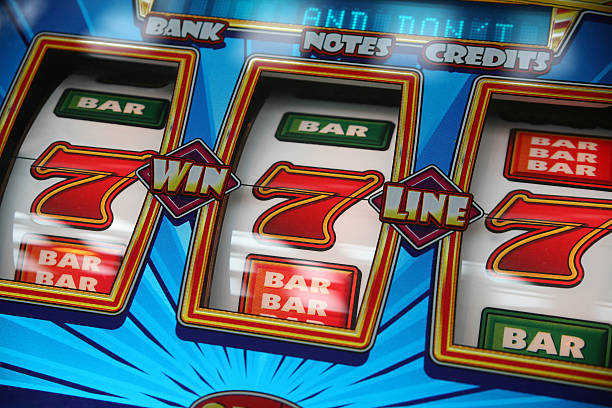
Moreover, the environment in which gambling occurs—such as casinos filled with vibrant lights and sounds—intensifies this psychological impact. The sensory overload can create a euphoric state that further distorts reality, making it difficult for individuals to assess risks accurately. This phenomenon not only fuels the gambling addiction but also skews the decision-making process, often leading to detrimental financial consequences.
The Psychology of Risk in Gambling
Understanding the psychology behind risk evaluation in gambling is crucial to grasping its impact on decision-making. Players often underestimate the odds of losing, leading to an overestimation of their chances for success. This cognitive bias is rooted in a psychological mechanism known as the “gambler’s fallacy,” where individuals believe that past events influence future outcomes in a random process.
This flawed thinking can lead to a dangerous cycle of chasing losses, where players continue to gamble in the hopes of recovering what they have lost. The emotional stakes involved create a powerful urge to continue betting, overshadowing logical reasoning and proper risk evaluation. As a result, gamblers may find themselves trapped in a cycle of poor decisions that can have long-lasting effects on their personal and financial well-being.
The Role of Emotion in Decision-Making
Emotions play a pivotal role in how individuals make decisions in gambling contexts. High levels of arousal, whether positive or negative, can significantly influence cognitive processes. For example, excitement from winning can lead to overconfidence, while fear of losing can trigger irrational behavior, such as high-stakes betting.
Furthermore, emotions like regret or disappointment can distort decision-making, prompting players to engage in behaviors that are not aligned with their best interests. The interplay between emotion and cognition reveals the depth of psychological factors at play, emphasizing the need for individuals to cultivate awareness of their emotional responses while gambling to make more informed choices.
Social Influences and Gambling Decisions
Social dynamics also contribute to gambling behavior and decision-making. Peer influence can significantly alter an individual’s perception of risk, often encouraging riskier behavior. Individuals may feel pressured to match the gambling stakes of friends or peers, thereby increasing the likelihood of poor decision-making.
This social context can create a false sense of security, where groupthink prevails, leading individuals to ignore their better judgment. The communal atmosphere in casinos or online gambling platforms often amplifies this effect, creating an environment where rational risk evaluation is overshadowed by collective enthusiasm and social validation.
About the Website
This website aims to foster a secure online environment for users, especially in contexts where gambling and decision-making intersect. While gambling can be a source of entertainment, the potential for harmful behavior necessitates a focus on user protection and awareness. Users may occasionally face challenges accessing the site due to automated security measures designed to mitigate risks.
For those experiencing access issues, the website provides clear guidelines to report blocks and resolve access challenges. This commitment to maintaining a safe online space is essential in promoting responsible gambling practices, ensuring users are not only entertained but also protected from the psychological pitfalls associated with gambling.
