
The evolution of gambling A historical perspective on games of chance
The Origins of Gambling
The history of gambling can be traced back thousands of years, with evidence suggesting that games of chance were played in ancient civilizations. The earliest known artifacts include dice from Mesopotamia dating back to around 3000 BC. These primitive games laid the groundwork for more complex betting activities, illustrating humanity’s longstanding fascination with luck and risk. Today, platforms like Dollar33 Casino continue to captivate players with their array of gaming options.

As societies evolved, so did gambling. The ancient Greeks and Romans popularized various forms of betting, including organized games that attracted large audiences. These activities were not merely recreational; they played a significant role in cultural practices and social gatherings, establishing gambling as a fundamental aspect of many ancient societies.
The Middle Ages and the Rise of Card Games
The Middle Ages marked a turning point in the evolution of gambling, particularly with the introduction of card games. Originating in China, card games spread to Europe through trade routes. By the 15th century, various forms of poker and other card games became immensely popular, often associated with gambling establishments and taverns. The growth of these gaming institutions reflected changing societal views on leisure and entertainment.
This era also saw the emergence of gambling regulations, as authorities recognized the need to control these activities. Governments imposed taxes on gaming houses, which helped formalize the practice and increased its legitimacy within society. As a result, gambling became more structured, with a clearer distinction between casual play and organized betting.
The Advent of Modern Casinos
The 18th and 19th centuries witnessed the rise of the modern casino. The first official casino, the Casino di Venezia, opened its doors in 1638, paving the way for a new era in gambling. By the time the 19th century rolled around, cities like Monte Carlo and Las Vegas became synonymous with high-stakes gambling, attracting enthusiasts from around the world.
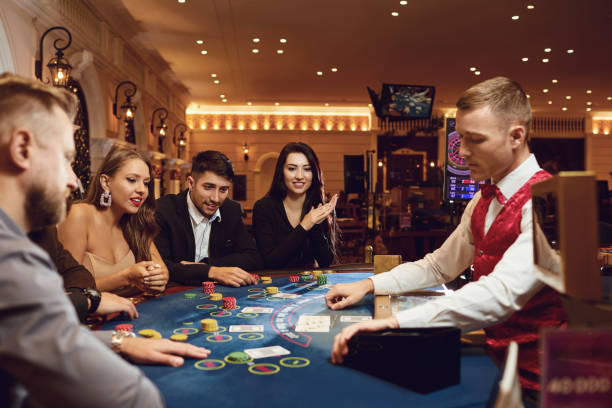
This period marked a shift towards luxurious gambling experiences, complete with extravagant amenities. Casinos began to offer various games, including roulette, blackjack, and slots, creating an environment where social status and risk-taking intertwined. The glamour associated with these establishments contributed to gambling’s appeal, establishing it as a key component of entertainment and leisure activities.
The Digital Revolution and Online Gambling
The late 20th century brought about a technological revolution that significantly impacted gambling. The emergence of the internet led to the rise of online casinos, allowing players to enjoy games of chance from the comfort of their homes. This innovation expanded the gambling market, making it accessible to a broader audience worldwide.
Online gambling platforms have since evolved, incorporating advanced technology and creating immersive experiences through live dealer games and virtual reality. This digital transformation has changed how players engage with gambling, emphasizing convenience and variety. With thousands of games available online, the landscape of gambling has adapted to meet modern preferences and lifestyles.
Modern Gambling Trends and the Future
Today’s gambling landscape continues to evolve, influenced by changing regulations, societal attitudes, and technological advancements. The rise of mobile gaming has made it easier for players to gamble on the go, further broadening the appeal of betting activities. Additionally, the integration of cryptocurrencies has introduced new payment methods, making online transactions more secure and efficient.
As gambling becomes increasingly mainstream, discussions around responsible gaming and the impact of addiction have gained traction. Operators are investing in measures to promote safer gambling practices, ensuring that players are aware of the risks involved. The future of gambling will likely focus on balancing entertainment with safety, as the industry adapts to meet the needs of an evolving audience.
